Shanghai: A Strategic Choice for Elegant Design
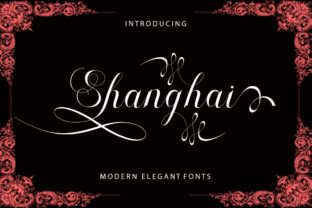
Shanghai is more than just a font; it's a design tool that can elevate the visual identity of any project. With its wide kerning and elegant style, Shanghai offers a refined aesthetic that suits both formal and creative applications. Whether you're designing wedding invitations, business cards, or branding materials, Shanghai provides a sophisticated look that can enhance your message and leave a lasting impression.
For professionals and creatives, choosing the right font is a strategic decision. Shanghai stands out as a versatile option that balances readability with visual appeal. Its clean lines and open spacing make it suitable for a variety of mediums, from print to digital. This makes it an ideal choice for those looking to maintain a consistent and polished brand image across different platforms.
Strategic Use of Shanghai in Branding
In branding, typography plays a crucial role in shaping perception. Shanghai can be used to reinforce a brand’s personality, whether it's professional, artistic, or timeless. When integrated thoughtfully, it can help differentiate a brand from competitors and create a unique visual signature.
Consider how Shanghai aligns with your brand’s values and target audience. If your brand emphasizes elegance, tradition, or refinement, this font can serve as a powerful visual cue. However, it's important to ensure that the font complements other design elements such as color, layout, and imagery to maintain coherence and impact.
For small businesses or startups, using Shanghai in logos or marketing materials can convey a sense of quality and attention to detail. It's particularly effective for industries such as luxury goods, hospitality, and professional services where first impressions matter significantly.
When to Use Shanghai: Practical Scenarios
Shanghai is best suited for situations where a refined and professional appearance is desired. Wedding invitations, thank you cards, and greeting cards often benefit from its elegant style, as it adds a touch of sophistication that resonates with recipients.
Businesses looking to update their branding or launch new products can use Shanghai to create a fresh yet timeless look. For example, a boutique hotel might use Shanghai in its website headers or promotional materials to evoke a sense of class and exclusivity.
Additionally, Shanghai can be useful in content creation, such as quotes, blog titles, or social media posts. Its legibility and visual appeal make it an excellent choice for highlighting key messages and drawing attention to important information.
Planning and Implementation: Key Considerations
Before incorporating Shanghai into your design, consider the context and purpose of the project. Ask yourself: What message do I want to convey? Who is my audience? How will this font support my overall design strategy?
It's also essential to test Shanghai in different formats and sizes. While it looks great in large text, it may not be as effective for body copy due to its wide spacing. Ensure that it remains readable and does not compromise the clarity of your message.
Another consideration is the availability of the font. Make sure that it is accessible across all devices and platforms where your design will be viewed. This helps maintain consistency and avoids potential formatting issues.
Strategic Observations: Balancing Aesthetics and Functionality
While Shanghai offers a visually appealing option, it's important to balance aesthetics with functionality. Overusing the font or applying it inappropriately can dilute its impact and confuse the audience. Instead, use it selectively to highlight key elements and maintain a cohesive design language.
For instance, using Shanghai for headings or titles while opting for a more neutral font for body text can create a clear hierarchy and improve readability. This approach allows the font to shine without overwhelming the viewer.
Moreover, consider how Shanghai interacts with other design elements. A well-chosen color palette, appropriate spacing, and complementary graphics can enhance the font's effectiveness and contribute to a more engaging user experience.
Risks of Unintentional Use
Without a clear purpose, using Shanghai can lead to unintended consequences. For example, if the font doesn't align with your brand's tone or the intended message, it may come across as inauthentic or inconsistent. This can damage credibility and reduce the effectiveness of your communication.
Another risk is over-reliance on the font without considering the broader design strategy. Relying solely on Shanghai without addressing other aspects of design, such as layout and content, can result in a superficial or unbalanced outcome.
To avoid these pitfalls, take time to plan and evaluate how Shanghai fits into your overall vision. Seek feedback from others and be willing to adjust your approach based on real-world testing and user responses.
Long-Term Value: Building a Consistent Visual Identity
Shanghai can contribute to a long-term visual identity when used consistently across different touchpoints. This helps build recognition and trust with your audience, reinforcing your brand's presence in their minds.
For businesses, maintaining a consistent design language is essential for creating a strong brand image. By integrating Shanghai into key elements such as logos, websites, and marketing materials, you can establish a recognizable and cohesive identity that supports your growth and reputation.
Over time, this consistency can become a valuable asset, helping to differentiate your brand and foster customer loyalty. It also makes it easier to scale your design efforts, as you can rely on established guidelines to maintain quality and alignment.
Conclusion: Intentional Design for Better Outcomes
Shanghai is a powerful tool when used intentionally. Its elegant style and versatility make it suitable for a wide range of applications, but its effectiveness depends on how it's applied. By considering your goals, audience, and design strategy, you can leverage Shanghai to enhance your projects and achieve better results.
Whether you're a designer, marketer, or business owner, thoughtful use of Shanghai can add value to your work and support your long-term objectives. Remember, the key is to use it with purpose and precision, ensuring that it serves your needs rather than simply being a decorative choice.