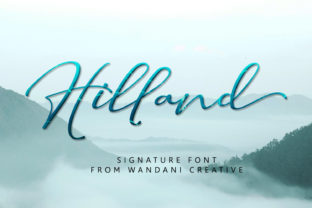
Hilland: The Elegant Signature Typeface for Modern Design
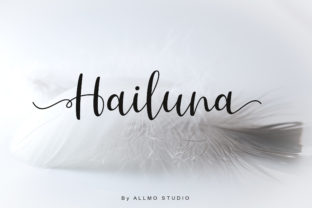
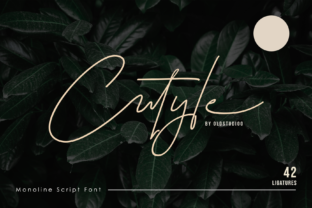
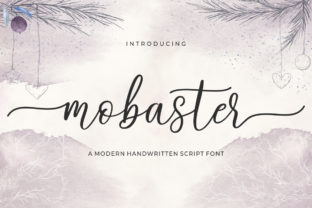
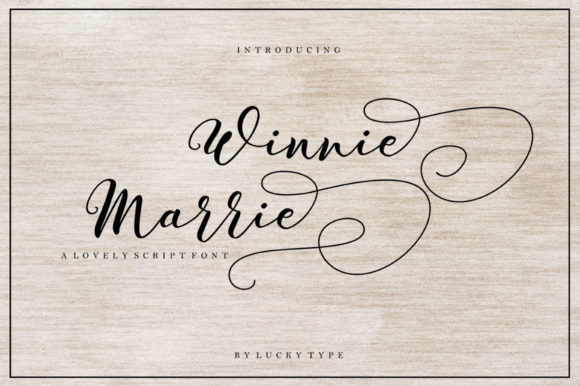
If you're looking for a typeface that adds a touch of sophistication and movement to your designs, Hilland might be exactly what you need. This elegant signature font features a dancing baseline that gives it a fresh and modern feel. It's more than just a style choice—it's a tool that can elevate the look of your projects in unexpected ways.
What Makes Hilland Stand Out
Hilland isn't your average serif or sans-serif typeface. Its unique baseline movement sets it apart from other fonts, making it ideal for designs that need a bit of personality without being too bold. The subtle variation in the baseline creates a sense of rhythm and flow, which can make text feel more dynamic and engaging. This makes it perfect for situations where you want to add a little flair without overwhelming the viewer.
Real-World Applications of Hilland
One of the most common uses for Hilland is in greeting cards. Whether it's a birthday, wedding, or thank-you card, this font can add a personal and elegant touch. Its flowing lines make it feel handcrafted, which is exactly what many people look for when sending a heartfelt message. Imagine a wedding invitation with Hilland as the main text—its elegance would immediately set the tone for the event.
Branding materials also benefit from Hilland's unique style. Companies that want to convey a sense of creativity and refinement can use this font in logos, taglines, or promotional materials. It works well for businesses in the arts, fashion, or lifestyle industries where visual appeal is key. A boutique clothing brand might use Hilland on their packaging to create a cohesive and upscale look.
During the holiday season, Hilland becomes even more valuable. Christmas cards, festive posters, and holiday banners often require a font that feels both celebratory and refined. Hilland's dancing baseline adds a playful yet sophisticated element that fits perfectly with the spirit of the season. It can transform a simple message into something memorable and visually appealing.
Who Can Benefit From Using Hilland
Designers working on editorial projects, such as magazines or newsletters, may find Hilland useful for headlines or captions. Its readability at smaller sizes makes it a good choice for print media where space is limited but style is important. A design team creating a luxury magazine could use Hilland to give certain sections a more exclusive and curated feel.
Business professionals looking to make their branding stand out might consider Hilland for their business cards or website headers. It offers a balance between professionalism and creativity, making it suitable for industries that value both aesthetics and functionality. A digital marketing agency could use Hilland in their logo to signal innovation and attention to detail.
Individuals who enjoy DIY projects, such as handmade crafts or custom illustrations, can also benefit from Hilland. Its artistic nature makes it ideal for personal projects like scrapbooking, journaling, or custom artwork. Someone creating a personalized gift might use Hilland to add a special touch that feels unique and thoughtful.
Considerations Before Using Hilland
While Hilland is versatile, it's important to consider the context in which it will be used. Its unique baseline may not work well for long blocks of text, as it can affect readability. For body copy, it's best to pair it with a more traditional font to maintain clarity. However, for headings, titles, or short phrases, Hilland shines.
Another consideration is the audience. If the target demographic prefers a more formal or minimalist look, Hilland might not be the best fit. On the other hand, for younger audiences or creative communities, its style could be a strong asset. Understanding the preferences of your audience helps determine whether Hilland will enhance or detract from your message.
Finally, it's worth testing Hilland in different formats before finalizing any design. Seeing how it looks in print versus digital environments can reveal any potential issues. For example, a designer might find that Hilland works well on a website but needs adjustments when printed on a business card.
Strengths and Limitations of Hilland
The primary strength of Hilland is its ability to add character and movement to a design. Its dancing baseline creates a visual interest that can draw attention and evoke emotion. This makes it an excellent choice for projects that aim to be memorable and distinctive.
However, one limitation is its suitability for specific contexts. As mentioned earlier, it may not be ideal for extended reading. Additionally, some users may find the baseline movement distracting if not used carefully. It's important to strike a balance between creativity and clarity to ensure the message remains effective.
Despite these limitations, Hilland's unique qualities make it a valuable addition to any designer's toolkit. When used appropriately, it can transform a simple design into something that feels more expressive and refined.