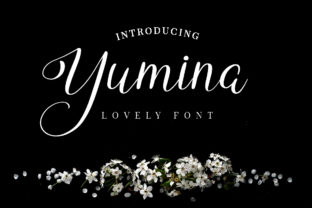
Yumina: A Script Font for Elegant Design Workflows
Yumina is a script font that combines elegance with functionality, offering a natural and expressive style ideal for a wide range of design projects. Its beautiful swashes and fluid lines make it stand out in any visual composition, whether you're working on branding materials, greeting cards, or digital content. Understanding how Yumina fits into your creative process can help you maximize its potential and streamline your design workflow.
Understanding Yumina's Role in the Design Process
When integrating Yumina into your design projects, it’s important to consider where it fits within your broader creative process. Whether you’re starting from scratch or refining an existing concept, Yumina can serve as a key element in defining the tone and aesthetic of your work. Its versatility makes it suitable for both digital and print applications, allowing you to maintain consistency across different formats.
Before beginning a project, take time to evaluate how Yumina will complement your overall design strategy. Consider the message you want to convey and how the font’s characteristics align with your goals. For example, if you're designing a luxury brand, Yumina’s refined strokes may enhance the perceived value of your visuals. In contrast, for a more casual project like a social media post, its flowing style can add a personal and approachable touch.
Using Yumina in Different Stages of a Project
Yumina can be utilized at various stages of a project, depending on your needs and the nature of the work. During the planning phase, it can inspire visual direction by providing a sense of style and rhythm. When creating mockups or prototypes, Yumina can help you visualize how text elements will appear in the final design. After the initial layout is complete, it can be used to refine details and ensure a cohesive look across all assets.
For instance, if you're working on a marketing campaign, you might use Yumina to draft headlines for posters or business cards. This allows you to test different compositions before committing to a final version. Similarly, when designing a website or app interface, Yumina can be used to create custom typography that adds personality and uniqueness to the user experience.
Integrating Yumina with Other Tools and Resources
Yumina works well with a variety of design tools and platforms, making it easy to incorporate into your existing workflow. Whether you're using Adobe Creative Suite, Figma, Canva, or other design software, Yumina can be seamlessly integrated into your projects. This compatibility ensures that you can maintain efficiency without disrupting your usual processes.
When working with other design elements, such as images, icons, or layouts, Yumina can act as a unifying component that ties everything together. For example, if you're designing a brochure, using Yumina for headings and captions can create a visually appealing contrast with more straightforward fonts used for body text. This balance helps guide the viewer’s attention while maintaining readability.
Practical Implementation Tips for Yumina
To get the most out of Yumina, consider the following practical tips. First, experiment with different sizes and spacing to find the optimal look for your specific project. Larger sizes can emphasize key messages, while smaller sizes may be better suited for subtle text elements. Additionally, pay attention to line height and letter spacing to ensure that the font remains legible and aesthetically pleasing.
Another useful practice is to pair Yumina with complementary typefaces. For example, combining it with a sans-serif font like Helvetica or Roboto can create a balanced and modern look. This pairing works well for both digital and print designs, offering a clean and professional appearance without sacrificing the elegance of Yumina.
Enhancing Workflow Efficiency with Yumina
Efficiency is a key factor in any design workflow, and Yumina can contribute to this by reducing the need for extensive adjustments. Its natural flow and consistent stroke weight allow for quicker typographic setups, saving time during the design process. This is especially beneficial when working on projects with tight deadlines or multiple revisions.
Additionally, using Yumina in templates or reusable design elements can streamline your workflow. For example, if you frequently create greeting cards or social media graphics, setting up a template with Yumina as the primary font can speed up the production process. This approach also ensures consistency across your work, reinforcing your brand identity and visual style.
Long-Term Use and Consistency
When considering long-term use, it's important to maintain consistency in how Yumina is applied across different projects. This includes adhering to a set of guidelines for font size, spacing, and placement. Consistency not only enhances the professionalism of your work but also strengthens your brand presence over time.
Regularly reviewing and updating your design assets can help ensure that Yumina continues to meet your evolving needs. As trends change and new design practices emerge, staying adaptable while maintaining the integrity of your visual style is crucial. This approach allows you to keep your work fresh and relevant without losing the unique character that Yumina brings to your designs.
Conclusion: Yumina as a Valuable Asset in Your Design Toolkit
Yumina is more than just a font—it’s a tool that can elevate your design work and support your creative process. By understanding how it fits into your workflow, integrating it with other resources, and applying it thoughtfully, you can unlock its full potential. Whether you're working on a small project or a large-scale campaign, Yumina offers a versatile and elegant solution that enhances both form and function.