Magic in Modern Design and Communication
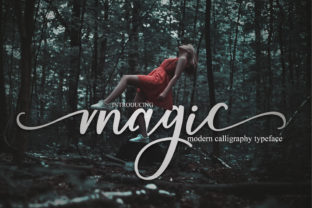
In the evolving landscape of visual communication, the Magic script has emerged as a distinctive and versatile tool. This modern calligraphy style, characterized by its natural handwritten appearance, offers a unique blend of elegance and accessibility. From branding to personal expression, Magic provides a fresh approach to typography that resonates with both creators and consumers.
What sets Magic apart is its ability to mimic the fluidity of human handwriting while maintaining a level of consistency suitable for digital and print media. Unlike traditional calligraphy, which requires extensive practice, Magic can be applied with relative ease using digital tools. This accessibility has made it a popular choice among designers, educators, and hobbyists looking to add a personal touch to their work.
The versatility of Magic extends beyond aesthetics. It is particularly well-suited for projects that require a warm, inviting tone. Wedding invitations, for instance, often benefit from the softness and charm of Magic, creating an atmosphere of intimacy and tradition. Similarly, business cards and logos that incorporate Magic can convey a sense of creativity and authenticity without sacrificing professionalism.
Applications Across Industries
The adaptability of Magic makes it valuable across multiple industries. In the realm of marketing and branding, companies are increasingly turning to this script to differentiate themselves in a crowded market. A logo or tagline written in Magic can evoke a sense of craftsmanship and individuality, appealing to audiences who value uniqueness and artistry.
In publishing, Magic is frequently used in magazine layouts, book covers, and editorial designs. Its organic feel complements content that seeks to inspire or inform, adding a layer of visual interest that static fonts may lack. For example, a lifestyle magazine might use Magic for headlines or pull quotes to create a more engaging reading experience.
Personalized products have also embraced Magic as a key element. Mugs, t-shirts, and stationery items featuring custom text in Magic allow individuals to express their identity or commemorate special moments. This trend reflects a growing demand for customization and personalization in consumer goods.
Advantages of Using Magic
One of the primary advantages of Magic is its ability to enhance readability while maintaining visual appeal. The script’s structure ensures that letters are distinct and easy to recognize, even when used in larger sizes. This is particularly beneficial for signage, posters, and other forms of public communication where clarity is essential.
Another benefit is its flexibility in different contexts. Whether used in a minimalist design or as part of a more elaborate composition, Magic adapts seamlessly. This makes it ideal for projects that require a balance between form and function. For instance, a website header in Magic can draw attention without overwhelming the user, while still conveying a sense of sophistication.
Furthermore, Magic offers a way to infuse personality into otherwise standard designs. In an era dominated by generic fonts, the use of a handwritten script can make a piece stand out. This is especially true in creative fields such as graphic design, illustration, and photography, where originality is highly valued.
Considerations When Using Magic
While Magic is widely appreciated, it is important to consider its limitations. Not all digital platforms support the full range of characters or stylistic variations available in Magic. This can affect how the script appears across different devices or software, potentially compromising the intended visual impact.
Additionally, the effectiveness of Magic depends on the context in which it is used. In formal or technical settings, it may not be appropriate to use a script that resembles handwriting. However, in more casual or artistic environments, Magic can add a desirable level of warmth and character.
Designers and users should also be mindful of the cultural and linguistic implications of using Magic. Some scripts may carry specific connotations or meanings that could influence how the text is perceived. Understanding these nuances can help ensure that the final result is both aesthetically pleasing and culturally sensitive.
Integrating Magic into Creative Workflows
For those interested in incorporating Magic into their creative process, there are several approaches to consider. Digital font libraries offer a variety of Magic-style typefaces that can be easily integrated into design software. These fonts often come with different weights, styles, and ligatures, allowing for greater customization and control.
Alternatively, hand-drawn elements can be scanned and converted into digital formats, preserving the organic quality of the original work. This method is particularly useful for artists and illustrators who want to maintain a tactile connection to their craft while still benefiting from the convenience of digital tools.
Collaboration is another key aspect of working with Magic. Designers may choose to work with calligraphers or typographers who specialize in this style to achieve a more authentic look. This interdisciplinary approach can lead to innovative results that combine the best of traditional and modern techniques.
Ultimately, the success of using Magic depends on how well it aligns with the goals of the project. Whether used for branding, personal expression, or commercial purposes, Magic has the potential to elevate the visual language of any design. By understanding its characteristics, applications, and considerations, users can harness its power effectively and thoughtfully.