Long Liner: A Timeless Script for Modern Design
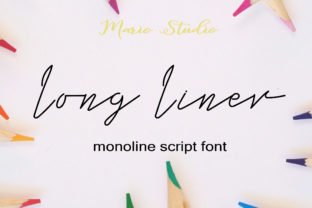
In a world where visual identity plays a critical role in communication, the right typeface can make all the difference. Long Liner is more than just a font—it’s a design tool that brings elegance, sophistication, and a personal touch to any project. As a monoline script font, it offers a seamless blend of style and functionality, making it a go-to choice for professionals and creatives alike.
With its luxurious feel and natural writing style, Long Liner captures the essence of handwritten typography while maintaining the precision needed for digital design. Whether you're working on a logo, a business card, or an album cover, this font adds a refined aesthetic that stands out in a crowded market.
Why Long Liner Matters in Today’s Design Landscape
The demand for unique and expressive typography has never been higher. In recent years, there’s been a noticeable shift toward more personalized and humanized design elements. This trend reflects a broader cultural movement—people are seeking authenticity, individuality, and emotional connection in the content they consume.
Long Liner aligns perfectly with this shift. Its organic flow and elegant curves evoke a sense of craftsmanship and care, qualities that resonate deeply with modern audiences. Unlike rigid, geometric fonts, Long Liner feels more approachable and dynamic, making it ideal for projects that aim to connect on a personal level.
This relevance extends beyond aesthetics. In a digital-first world, where attention spans are short and competition is fierce, the ability to create visually compelling content is essential. Long Liner helps designers and businesses stand out by offering a distinctive yet versatile typeface that works across multiple mediums and formats.
Applications Across Industries and Media
The versatility of Long Liner makes it a valuable asset in various creative and professional contexts. From branding to editorial design, its adaptability ensures that it can meet the needs of different industries and use cases.
For example, in the realm of branding, Long Liner can be used to craft logos that convey both professionalism and personality. It’s particularly effective for businesses that want to communicate a sense of exclusivity and refinement without appearing too formal. Think of a boutique fashion brand, a luxury skincare line, or an independent music label looking to establish a strong visual identity.
On the other hand, Long Liner is also well-suited for smaller, more intimate projects. It works beautifully as a signature font, adding a personal touch to documents, invitations, or even social media profiles. Its natural writing style gives it a handwritten quality that feels genuine and authentic, which is especially appealing in an era dominated by digital interactions.
Another area where Long Liner shines is in editorial and print media. Whether it’s a magazine layout, a book cover, or a poster, this font can elevate the overall look and feel of the design. Its legibility at different sizes and weights makes it a reliable choice for both headings and body text, ensuring that it remains functional as well as beautiful.
How Long Liner Fits Into Modern Workflows
As design workflows become more streamlined and technology-driven, the need for flexible and adaptable tools is more important than ever. Long Liner meets this need by offering a font that is easy to integrate into existing design systems and software.
Designers using Adobe Creative Suite, Figma, or other digital design platforms will find that Long Liner is compatible with most design tools. Its clean structure and consistent stroke width ensure that it renders consistently across different devices and platforms, reducing the risk of formatting issues.
Moreover, the font’s monoline style means it requires less adjustment when used in different contexts. Unlike some script fonts that may have irregular spacing or inconsistent shapes, Long Liner maintains a uniform appearance that simplifies the design process. This consistency is especially beneficial for projects that require multiple variations or translations.
For businesses and entrepreneurs, the ease of use and adaptability of Long Liner translate into cost savings and efficiency. Instead of relying on custom illustrations or complex design elements, they can achieve a high-quality look with minimal effort. This makes Long Liner a practical choice for small teams, startups, and independent creators who need to produce polished work quickly and affordably.
Trends and Future-Proofing Your Design Choices
Typography trends come and go, but certain styles tend to endure because of their timeless appeal. Long Liner belongs to this category. Its combination of elegance and usability ensures that it remains relevant regardless of shifting design fads.
One of the reasons Long Liner is gaining traction is its ability to bridge the gap between traditional and modern design. While it carries the warmth of handwritten scripts, it also fits seamlessly into contemporary layouts and digital interfaces. This duality makes it a future-proof choice for designers who want to stay ahead of the curve without sacrificing readability or accessibility.
Additionally, as more people embrace remote work and digital collaboration, the demand for fonts that work well in both print and screen formats continues to grow. Long Liner’s clarity and versatility make it a reliable option for projects that span multiple platforms, from website headers to mobile app interfaces.
Recommendations for Using Long Liner Effectively
To get the most out of Long Liner, consider the following tips:
- Use it for emphasis: Highlight key words or phrases in headlines, captions, or callout boxes to draw attention and add visual interest.
- Pair it with complementary fonts: Combine Long Liner with sans-serif or serif fonts to create contrast and balance. For example, pair it with a clean, modern sans-serif for a sophisticated look.
- Experiment with weights: Many script fonts offer different weights or styles. Use lighter versions for subtle applications and bolder ones for impact.
- Test it in different sizes: Ensure that Long Liner remains legible and visually appealing at various scales, especially if it will be used in both print and digital formats.
By thoughtfully integrating Long Liner into your design projects, you can enhance the overall aesthetic and effectiveness of your work. Whether you’re designing for a client, creating content for your brand, or simply exploring new typographic possibilities, this font offers a range of benefits that are worth considering.
Conclusion: Embracing the Elegance of Long Liner
In an age where visual communication is more important than ever, choosing the right typeface can significantly impact how your message is received. Long Liner offers a unique blend of beauty, functionality, and versatility that makes it a valuable addition to any designer’s toolkit.
Its natural writing style and luxurious feel set it apart from other script fonts, while its adaptability ensures that it can be used in a wide range of applications. Whether you’re working on a logo, a business card, or a magazine layout, Long Liner provides a refined and expressive solution that enhances the overall design.
As design trends continue to evolve, fonts like Long Liner remind us of the enduring power of typography. By embracing this elegant script, you’re not only elevating your work—you’re also connecting with a timeless tradition of craftsmanship and creativity.