Madison Script: A Timeless Touch for Modern Design
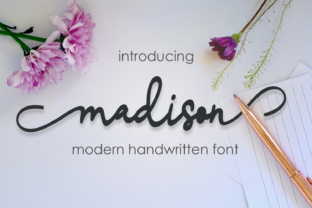
The Madison Script is more than just a font; it's a reflection of artistry and elegance. With its flowing, handcrafted style, this calligraphy script brings a sense of sophistication to any project. Its unique characteristics make it ideal for a wide range of applications, from personal invitations to professional branding materials.
One of the most striking features of Madison Script is its dancing baseline. Unlike standard fonts that maintain a consistent horizontal line, this script mimics the natural variation found in handwritten text. This subtle movement adds a human touch, making each letter feel more organic and expressive. The result is a design that feels both refined and approachable.
For designers and creatives, Madison Script offers a versatile tool that can elevate any visual composition. Whether used as a headline or a body text, it adds a layer of personality that other fonts might lack. Its legibility remains intact even at smaller sizes, making it suitable for everything from business cards to digital interfaces.
Applications of Madison Script in Everyday Design
The versatility of Madison Script makes it a valuable asset across multiple industries. In the realm of event planning, it's often used for wedding invitations, thank-you notes, and party announcements. The fluidity of the script gives these documents a personal, handmade quality that resonates with recipients. It also works well for corporate events, where a touch of elegance can set the tone for a memorable experience.
In the world of branding, Madison Script provides a distinctive identity. Companies looking to stand out from the competition can use this font to create logos, packaging designs, and marketing collateral. Its unique aesthetic helps convey a sense of craftsmanship and attention to detail. For example, a boutique coffee shop might incorporate Madison Script into its signage to reflect its artisanal values.
For educators and content creators, Madison Script can be an effective tool for engaging audiences. When used in presentations, infographics, or educational materials, it adds a visual element that captures attention. Teachers might use it to design lesson plans or classroom posters, while bloggers could integrate it into their website headers to create a more inviting atmosphere.
Advantages of Using a Handmade Calligraphy Script
Handmade calligraphy scripts like Madison Script offer several advantages over digitally generated fonts. One key benefit is the authenticity they bring to a design. Since these fonts are created by hand, they carry a level of individuality that mass-produced options often lack. This makes them particularly appealing for projects that aim to convey a personal or artisanal message.
Another advantage is the emotional impact of handwritten styles. Studies have shown that people tend to respond more positively to text that appears more human. This can be especially useful in marketing campaigns, where building a connection with the audience is crucial. Madison Script’s flowing lines and natural variations help create that emotional resonance.
Additionally, using a handmade script can differentiate a brand or project in a crowded market. In an era where many designs rely on standard fonts, incorporating something unique like Madison Script can make a lasting impression. It signals creativity, originality, and a commitment to quality—qualities that are highly valued in today’s design landscape.
Considerations When Working With Madison Script
While Madison Script is highly versatile, there are some considerations to keep in mind when using it. One important factor is readability. Although the font is legible at larger sizes, it may not be the best choice for long blocks of text. Designers should balance its aesthetic appeal with practicality, ensuring that the message remains clear and accessible.
Another consideration is the context in which the font is used. While it excels in creative and artistic applications, it may not be appropriate for formal or technical documents. For instance, a legal contract or a scientific report would likely require a more traditional typeface. However, for projects that emphasize style and personality, Madison Script is an excellent choice.
Designers should also be mindful of how the font interacts with other elements in a composition. Pairing it with complementary typefaces can enhance its impact without overwhelming the overall design. For example, using a sans-serif font for body text alongside Madison Script for headings can create a balanced and visually appealing layout.
Real-World Examples of Madison Script in Action
Many businesses and individuals have successfully incorporated Madison Script into their work. A local bakery, for instance, might use it on its menu board to give the space a warm, inviting feel. The font’s elegant curves complement the rustic charm of the establishment, creating a cohesive visual identity.
Similarly, a freelance designer might use Madison Script in client proposals to add a touch of professionalism and creativity. By including it in headings or section titles, they can make their work stand out while maintaining a polished appearance. This approach not only enhances the visual appeal but also reinforces the designer’s attention to detail.
Artists and illustrators often use Madison Script in their portfolios to showcase their work in a more expressive way. Whether applied to captions, titles, or captions, the font adds a layer of sophistication that aligns with the creative nature of their projects. It becomes a signature element that reflects their personal style and artistic vision.
Choosing the Right Font for Your Project
When selecting a font for a design project, it’s essential to consider the purpose and audience. Madison Script is best suited for projects that aim to evoke emotion, creativity, or a sense of refinement. It works well for personal or artistic endeavors, as well as for brands that want to communicate a unique identity.
However, it’s also important to assess whether the font aligns with the overall design concept. If the goal is to create a clean, modern look, a simpler typeface might be more appropriate. On the other hand, if the objective is to convey warmth, elegance, or individuality, Madison Script can be an ideal choice.
Ultimately, the decision should be based on the specific needs of the project and the message it aims to convey. By understanding the strengths and limitations of different fonts, designers can make informed choices that enhance the effectiveness of their work.