Philosophy: A Strategic Tool for Creative Expression and Brand Identity
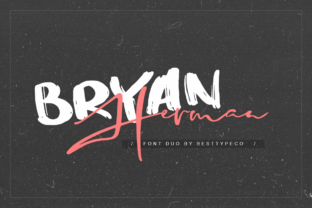
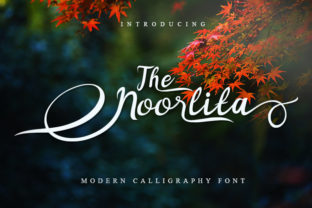
Philosophy is more than just a typeface—it's a design philosophy that blends artistry with intentionality. This fresh, modern script features handmade calligraphy style, making it ideal for invitations, greeting cards, branding materials, business cards, and more. But beyond its aesthetic appeal, Philosophy offers strategic value for professionals who want to communicate with clarity, creativity, and purpose.
When used thoughtfully, Philosophy can elevate the visual language of any project. It brings a sense of elegance and sophistication that resonates with audiences seeking authenticity and quality. Whether you're building a brand, crafting marketing materials, or designing personal projects, this font provides a unique way to express ideas with both beauty and meaning.
Why Philosophy Matters in Modern Design
In today’s fast-paced digital world, design choices often reflect deeper values and intentions. Philosophy stands out because it combines traditional craftsmanship with contemporary sensibilities. Its decorative characters are not just visually appealing—they also convey a sense of care and attention to detail that can enhance the perceived value of your work.
For entrepreneurs and marketers, this means using Philosophy as a tool to differentiate their brand. In a crowded marketplace, small but meaningful design decisions can make a big impact. A well-chosen font can signal professionalism, creativity, and a commitment to quality—key factors in building trust with customers.
Moreover, Philosophy supports long-term branding strategies. Consistent use of a unique typeface helps create a recognizable identity that strengthens customer recognition and loyalty. It becomes a visual signature that aligns with your brand’s voice and mission.
Strategic Use of Philosophy in Communication
Effective communication goes beyond words—it involves how those words are presented. Philosophy allows for a more expressive form of communication that can be particularly powerful in creative industries. For example, when designing a website or social media content, using Philosophy can add a personal touch that makes your message feel more authentic and engaging.
Consider a small business owner launching a new line of handmade products. By incorporating Philosophy into their packaging and marketing materials, they can visually reinforce the craftsmanship and care behind their work. This not only enhances the customer experience but also creates an emotional connection that drives engagement and repeat business.
Similarly, educators and trainers can use Philosophy to make learning materials more visually appealing and memorable. A well-designed handout or presentation using this font can capture attention and improve information retention, especially when paired with clear, concise content.
Planning with Philosophy: Key Considerations
Before integrating Philosophy into your design work, it’s important to consider your goals and audience. What message do you want to convey? Who is your target audience, and what visual style will resonate with them? These questions help determine whether Philosophy is the right choice for your project.
For instance, if your brand targets a professional or corporate audience, a more traditional typeface might be more appropriate. However, if your brand is focused on creativity, individuality, or artisanal values, Philosophy can serve as a strong visual anchor that reinforces your brand’s identity.
Another consideration is readability. While Philosophy is beautiful, it may not be suitable for large blocks of text. It works best in headlines, logos, and short phrases where its decorative qualities can shine without compromising legibility.
Practical Applications of Philosophy in Business
Businesses across various industries can benefit from the thoughtful use of Philosophy. For example, a boutique marketing agency might use this font in client proposals to emphasize their creative approach and attention to detail. It signals that they understand the importance of design in shaping brand perception and customer experience.
Freelancers and independent creators can also leverage Philosophy to stand out in their niche. Whether it’s a portfolio website, email newsletter, or social media profile, using this font can help establish a unique visual identity that reflects their personal brand and values.
Additionally, Philosophy can be used in internal communications, such as team meetings or project planning documents. Its elegant style adds a touch of professionalism while maintaining a human, approachable feel that fosters collaboration and creativity.
How to Approach Using Philosophy Intentionally
Intentional use of Philosophy starts with understanding its strengths and limitations. Begin by identifying where it can add the most value—whether in a logo, headline, or promotional material. Avoid using it randomly or for the sake of aesthetics alone. Instead, align its use with your broader design and communication strategy.
One effective approach is to pair Philosophy with simpler, more readable fonts for body text. This creates a balance between visual interest and functionality. For example, a website might use Philosophy for headings and subheadings, while relying on a clean sans-serif font for the main content.
Testing is also crucial. Experiment with different sizes, spacing, and color combinations to see how Philosophy performs in various contexts. Gather feedback from your audience to ensure it meets their expectations and enhances the overall user experience.
The Risks of Misusing Philosophy
While Philosophy is a powerful tool, it can also be misused if not applied with care. Overuse or inappropriate placement can dilute its impact and confuse the message. For example, using it in large paragraphs or low-contrast settings can make it difficult to read, which undermines the purpose of clear communication.
Another risk is inconsistency. If Philosophy is used sporadically or without a clear plan, it can create a disjointed visual identity that fails to reinforce your brand’s message. Consistency is key to building a strong, recognizable presence in the market.
Finally, failing to consider the audience can lead to misalignment between the font’s style and the brand’s values. Always ask yourself: Does this font support the message I want to send? Will it resonate with my target audience?
Long-Term Value of Philosophy in Branding
Investing in a thoughtful design strategy that includes Philosophy can yield long-term benefits. As your brand grows, a consistent visual identity built around this font can become a valuable asset that strengthens customer loyalty and brand equity.
Over time, customers begin to associate the look and feel of your materials with the quality and values of your business. This association can differentiate you from competitors and create a lasting impression that drives repeat business and referrals.
Moreover, as trends evolve, Philosophy’s timeless design ensures that your brand remains relevant and adaptable. Its versatility allows it to be used across multiple platforms and formats, providing flexibility as your business expands and changes.
Conclusion: Embrace Philosophy as a Strategic Choice
Philosophy is more than a font—it’s a design philosophy that can enhance your creative and professional endeavors. When used intentionally, it adds depth, character, and meaning to your work. Whether you’re building a brand, creating content, or designing for clients, this script offers a unique way to express your vision with clarity and style.
By approaching Philosophy with strategy and purpose, you can unlock its full potential and create a stronger, more cohesive visual identity. Remember, the goal is not just to look good—but to communicate effectively, build trust, and achieve meaningful results.