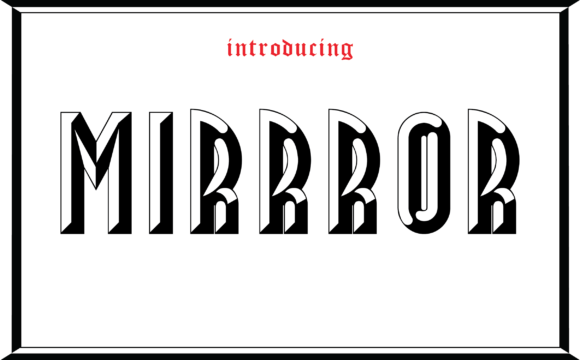
Mirror: A Versatile Design Solution Inspired by Art Deco
Mirror is a design concept that has gained popularity for its ability to blend functionality with aesthetic appeal. Rooted in the rich heritage of Art Deco, Mirror offers a unique visual language that resonates across various applications. From posters to business cards, this design style provides a timeless yet modern approach that can elevate any project.
The Art Deco Influence on Mirror
Art Deco, a design movement that emerged in the 1920s and 1930s, is characterized by its geometric shapes, bold lines, and luxurious materials. Mirror draws heavily from these elements, incorporating symmetry and clean forms into its design philosophy. This connection to Art Deco not only gives Mirror a distinctive look but also ensures it remains relevant in contemporary settings.
Designers often find that the principles of Art Deco provide a strong foundation for creating visually striking work. By using Mirror as a reference, they can infuse their projects with a sense of elegance and sophistication. The use of mirrors in design also allows for creative exploration, as reflections can add depth and dimension to any layout.
Applications of Mirror in Modern Design
Mirror is particularly well-suited for a variety of design applications. Its versatility makes it an excellent choice for posters, where it can be used to create eye-catching visuals that command attention. In the context of business cards, Mirror can help establish a professional image while standing out from the competition.
Consider a scenario where a designer is tasked with creating a poster for a high-end fashion event. By incorporating Mirror elements, they can produce a design that reflects the brand's identity and appeals to a discerning audience. Similarly, a business card featuring Mirror-inspired graphics can convey a sense of modernity and class, making a lasting impression on potential clients.
The adaptability of Mirror extends beyond traditional media. Digital platforms, such as websites and social media, can also benefit from its design principles. For instance, a website that uses Mirror elements can enhance user experience through intuitive navigation and aesthetically pleasing layouts.
Key Characteristics of Mirror Design
One of the defining features of Mirror is its emphasis on balance and proportion. This characteristic ensures that designs remain harmonious and visually appealing. By adhering to these principles, designers can create compositions that are both functional and beautiful.
Another important aspect of Mirror is its use of negative space. Effective use of negative space can guide the viewer’s eye and highlight key elements within a design. This technique is especially useful in minimalist approaches, where simplicity is valued over complexity.
Additionally, Mirror often incorporates metallic accents and reflective surfaces, which can add a touch of glamour to any project. These elements can be used strategically to draw attention to specific areas or to create a sense of luxury. However, it's essential to use them thoughtfully to avoid overwhelming the overall design.
Practical Benefits of Using Mirror
There are several practical benefits to adopting Mirror in design projects. One of the most significant advantages is its ability to enhance readability. By using clear typography and well-structured layouts, designers can ensure that their message is communicated effectively.
Mirror also supports scalability, making it suitable for both small and large projects. Whether designing a single business card or a full marketing campaign, the principles of Mirror can be applied consistently to maintain a cohesive visual identity.
Moreover, the timeless nature of Mirror means that designs created with this approach are less likely to go out of style. This longevity can be particularly beneficial for businesses looking to establish a strong brand presence over time.
Considerations When Choosing Mirror
Before implementing Mirror in a design project, it's important to consider the target audience and the intended purpose. While Mirror offers a sophisticated look, it may not be appropriate for all contexts. For example, a casual event may require a more relaxed design approach rather than the formal aesthetics of Mirror.
Additionally, designers should evaluate the technical aspects of using Mirror. Ensuring that the chosen elements align with the project's requirements and constraints is crucial. This includes considering factors such as color schemes, font choices, and overall composition.
It's also advisable to research how other designers have successfully incorporated Mirror into their work. Case studies and examples can provide valuable insights and inspiration, helping to refine the approach and achieve the desired outcome.
Integrating Mirror into Daily Workflows
For professionals in the design industry, integrating Mirror into daily workflows can streamline the creative process. By establishing a set of guidelines based on Mirror principles, teams can maintain consistency across projects while fostering innovation.
Collaboration is another area where Mirror can make a difference. When team members share a common understanding of design principles, it becomes easier to communicate ideas and work towards a unified vision. This collaborative environment can lead to more cohesive and impactful results.
In addition, embracing Mirror can encourage continuous learning and growth. As designers experiment with new techniques and approaches, they can expand their skill sets and stay ahead of industry trends. This proactive mindset is essential for staying competitive in a rapidly evolving field.