Dollygirl: A Trendy Script Font for Feminine and Modern Designs
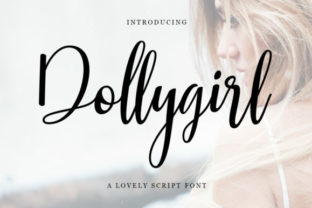
Dollygirl is a modern script font that stands out due to its irregular baseline, offering a unique aesthetic that can elevate various design projects. This distinctive feature gives the font a more organic, handcrafted feel, making it ideal for creative applications where a touch of personality is desired. Unlike traditional script fonts that follow a consistent baseline, Dollygirl’s irregularity adds visual interest and a sense of movement, which can be particularly appealing in designs that aim for a trendy or feminine style.
What Makes Dollygirl Unique?
The irregular baseline of Dollygirl is one of its most defining characteristics. While this may seem unconventional, it contributes to the font's overall charm and makes it stand out in a crowded market of script fonts. The variation in baseline height creates a dynamic visual rhythm that can make text more engaging and less static. This feature is especially effective when used in contexts such as wedding invitations, greeting cards, or logos, where a personal and artistic touch is valued.
Another aspect that sets Dollygirl apart is its versatility. Despite its irregular baseline, the font maintains a level of readability that allows it to be used in both small and large text sizes. This makes it suitable for a wide range of applications, from subtle accents in a design to bold headlines that demand attention. Its balance between elegance and informality makes it a compelling choice for designers looking for a fresh alternative to more rigid script fonts.
When Dollygirl Is the Right Choice
Dollygirl is well-suited for projects that require a feminine and contemporary aesthetic. Wedding invitations, for example, often benefit from fonts that convey warmth and individuality, and Dollygirl’s irregular baseline can add a layer of sophistication without being overly formal. Similarly, thank you cards and greeting cards can use Dollygirl to create a more personal and heartfelt tone, as the font’s fluidity can evoke a sense of care and thoughtfulness.
Logos and branding materials also present an opportunity for Dollygirl to shine. In industries such as fashion, beauty, or lifestyle, where a modern and approachable image is important, Dollygirl can help establish a brand identity that feels both stylish and authentic. Its ability to blend elegance with a touch of whimsy makes it a strong candidate for businesses aiming to differentiate themselves through their visual language.
Comparing Dollygirl to Other Script Fonts
When compared to other script fonts, Dollygirl offers a different approach to typography. Traditional script fonts often emphasize consistency and legibility, making them reliable choices for professional or formal settings. However, they may lack the character and uniqueness that Dollygirl brings to the table. For instance, a font like Brush Script or Zapfino might be preferred for its smooth curves and uniform baseline, but they may not provide the same level of visual intrigue that Dollygirl offers.
On the other hand, some alternative script fonts with irregular features may sacrifice readability for the sake of style. Dollygirl manages to strike a balance between these two elements, ensuring that it remains functional while still delivering a distinctive look. This makes it a practical option for designers who want to experiment with unconventional typography without compromising on usability.
Best Use Cases for Dollygirl
One of the strongest use cases for Dollygirl is in the realm of print design. Whether it's a custom business card, a brochure, or a poster, the font can add a unique flair that captures attention. Its irregular baseline can help break up monotony in a layout, drawing the eye to key elements such as headings or callouts. In digital design, Dollygirl can be used effectively in web headers, social media graphics, or app interfaces where a more expressive typeface is desired.
For content creators and bloggers, Dollygirl can be a valuable tool for adding a personal touch to their work. It can be used in blog titles, section headers, or even in featured images to create a cohesive and stylized look. When paired with other fonts or design elements, Dollygirl can enhance the overall visual appeal of a piece without overwhelming the reader.
Limitations and Considerations
While Dollygirl has many strengths, it is not without its limitations. The irregular baseline, while visually appealing, may not be suitable for all design contexts. In situations where clarity and uniformity are paramount, such as in technical documents or user interface elements, a more traditional script font might be a better fit. Additionally, the font’s distinctiveness could make it less versatile in multi-font compositions, where consistency across different typefaces is important.
Designers should also consider the audience when choosing Dollygirl. While it may resonate well with younger or more design-savvy audiences, it may not be the best choice for more conservative or traditional settings. It’s essential to evaluate whether the font aligns with the overall tone and purpose of the project before committing to its use.
Deciding Whether Dollygirl Fits Your Needs
When deciding whether to use Dollygirl, it’s helpful to think about the goals of the design. If the objective is to create a memorable and expressive visual identity, Dollygirl can be an excellent choice. However, if the focus is on professionalism, clarity, or broad accessibility, other fonts may be more appropriate. Testing the font in different contexts and with different audiences can provide valuable insights into its effectiveness.
Ultimately, the decision to use Dollygirl depends on the specific needs of the project and the designer’s creative vision. By understanding its strengths and limitations, designers can make informed choices that lead to more successful and impactful outcomes.